Graffiti pieces by: Shahrivar
Notes by: Parham Ghalamdar
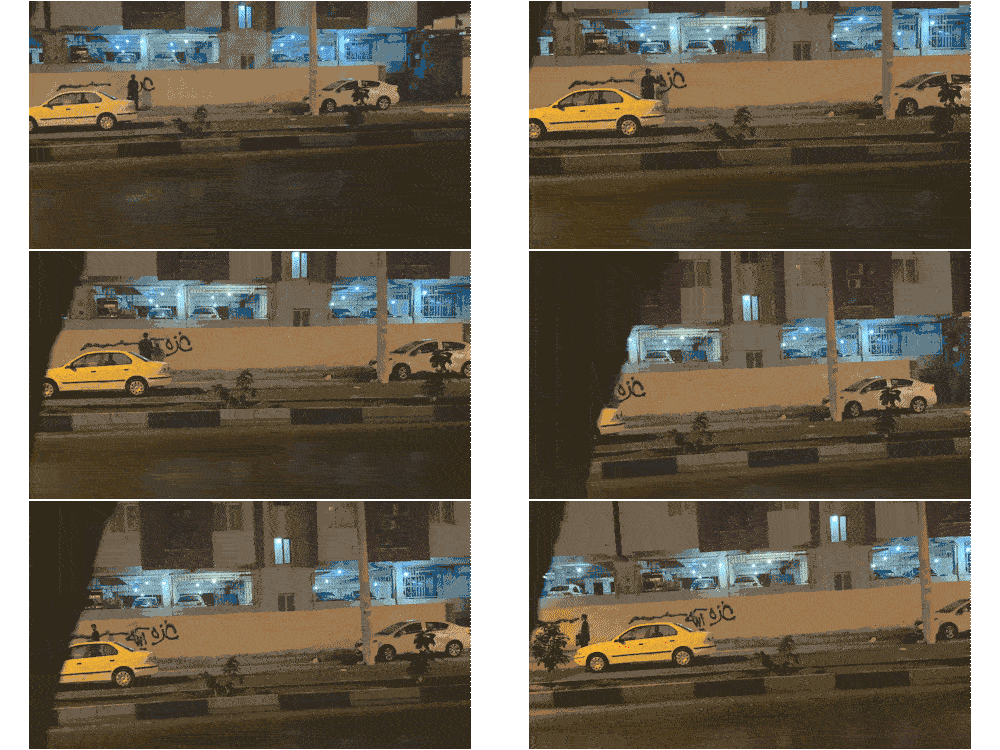
Translation: “Gaza is the mirror!” — graffiti in Iran by the independent Iranian artist Shahrivar. The piece was removed and painted over in white the following morning.
***
افسانۀ مشترکِ دو سوی دشمنی
جمهوری اسلامی ایران طی دههها یک روایت واحد ساخته است: ایران، اسلام، فلسطین و مفهوم «مقاومت» همگی در یک جبهه و یک سرنوشت تاریخیاند. در این روایت، حکومت خود را مرکز این جهان میداند؛ مدافعِ مظلومان، دشمنِ امپریالیسم و نگهبان حقیقت اخلاقی. هر جنگ و اعتراضی در منطقه در این چارچوب اسطورهای جا داده میشود. نتیجه آن است که همدلی نیز به انحصار درمیآید: اگر از فلسطین سخن بگویی، گویی از جمهوری اسلامی دفاع کردهای.
اما طنز ماجرا در اینجاست که دشمنان سرسخت حکومت نیز معمولاً همین ساختار معنایی را باور دارند، فقط ارزشهایش را وارونه کردهاند. سلطنتطلبان، ملیگرایان راستگرا، و بسیاری از لیبرالها همان روایت را تکرار میکنند، اما با بار منفی. اگر جمهوری اسلامی میگوید «فلسطین یعنی ما»، آنها میگویند «پس فلسطین هم از شماست». آنچه حکومت مقدس میداند، آنها آلوده میخوانند. آنچه حکومت «همبستگی» مینامد، آنان «تبلیغات» میدانند. نمادها را رد میکنند، اما سیمکشی فکری را همانطور نگه میدارند.
هر دو سوی این تقابل بر یک تله مشترک تکیه دارند: گمان به اینکه دین، مقاومت، و مبارزۀ ضداستعماری جداییناپذیر از جمهوری اسلامیاند. چنین باوری هر امکان اندیشۀ مستقل را نابود میکند. سخن گفتن از فلسطین دیگر یک موضع اخلاقی نیست، بلکه اعلام وفاداری یا خیانت سیاسی است. میان این دو قطب، هیچ زبان آزاد و بیادعایی باقی نمیماند که بتوان در آن از درد انسان سخن گفت.
سکوتی که از پی میآید، نه از بیتفاوتی بلکه از فرسودگی است. بسیاری از هنرمندان، نویسندگان و روشنفکران ایرانی دریافتهاند که سخن گفتن دربارۀ فلسطین یعنی وارد شدن به میدان مینِ سیاستی که هیچ نسبتی با حقیقت ندارد. حکومت مسئلۀ فلسطین را به ابزار مشروعیت بدل کرده است و اپوزیسیون آن را نشانهای از تباهی میبیند. در میان این دو نگاه، رنج واقعی مردم فلسطین گم میشود.
اگر واقعاً به شعار «زن، زندگی، آزادی» به عنوان جوهر آزادی ایران باور داریم، باید بپذیریم که هیچ زنی امروز بیش از زن فلسطینی در معرض نابودی نیست؛ زنانی که کشته میشوند، بدنشان غارت میشود و سربازانی فیلم و عکس میگیرند و با لباس زیرشان در شبکههای اجتماعی پُز میدهند. نادیده گرفتن این واقعیت با هر بهانهای، خیانت به همان اصولی است که برایشان جان دادهایم.
برای شکستن این چرخه، باید اخلاق را از ایدئولوژی جدا کرد. دفاع از آزادی مردم فلسطین الزاماً به معنای تأیید جمهوری اسلامی نیست، همانطور که نقد حکومت به معنای بیتفاوتی نسبت به ستم نیست. این موضوع نه دربارۀ انتخاب میان دو پرچم، بلکه دربارۀ بازپسگیری حق اندیشیدن و احساس کردن بیرون از کنترل آنهاست.
سیاست ایران بر اجبار به انتخاب میان دو قطب بنا شده: یا با مایی یا بر ما. امتناع از این بازی، نوعی مقاومت دیگر است. وظیفه امروز ساختن فضایی تازه برای گفتوگوست؛ جایی که شفقت، ملک شخصیِ حکومت نباشد و همبستگی، جرم شمرده نشود.
تنها در چنین فضایی است که مسئلۀ فلسطین دوباره به آنچه همیشه بوده بازمیگردد: مسئلهای انسانی، نه ملی.
***
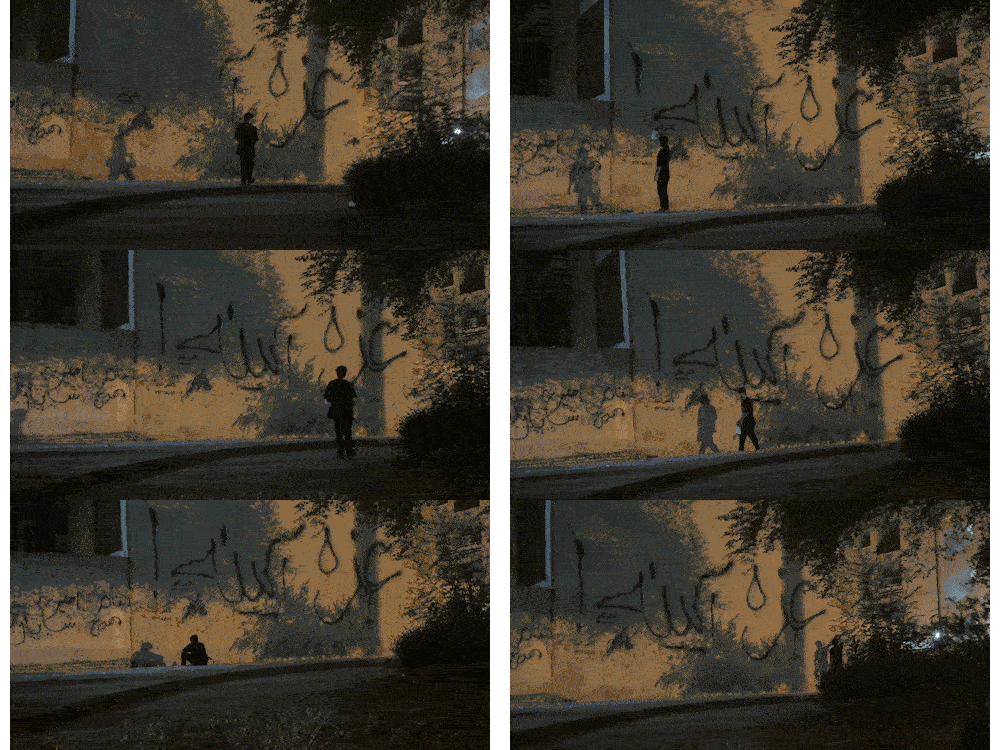
Translation: “Gaza is the mirror!” — graffiti in Iran by the independent Iranian artist Shahrivar. The piece was removed and painted over in white the following morning.
***
The Shared Myth of Opposites
The Islamic Republic of Iran has spent decades building a single storyline: that Iran, Islam, Palestine, and the idea of resistance all belong to one historical front. In this story, the regime stands at the center—defender of the oppressed, enemy of imperialism, and guardian of moral truth. Every war, protest, or act of resistance across the region is folded into this mythic frame. The result is a kind of monopoly on empathy. To care about Palestine, or to speak of resistance, is made to sound like loyalty to the Islamic Republic itself.
But the irony is that the regime’s most passionate enemies often believe in the same structure of meaning. The monarchists, the right-wing nationalists, the self-described liberals—many of them repeat the same narrative, only with its moral sign reversed. If the Islamic Republic says “Palestine is us,” the opposition replies, “Then Palestine must be you.” What the regime calls sacred, they call contaminated. What it calls solidarity, they call propaganda. They reject the symbols, but keep the wiring intact.
Both sides rely on the same trap: the belief that religion, resistance, and anti-colonial struggle are inseparable from the current regime. This shared assumption leaves no space for an independent position. To speak of Palestine becomes an act of political identification, not ethical reflection. It is either submission or betrayal. There is no middle ground where one can think freely, no language in which to express care without being claimed by one side or condemned by the other.
The silence that follows is not indifference. It is exhaustion. Many Iranian artists, writers, and thinkers have learned that to speak on this subject is to be pulled into a battlefield that has nothing to do with truth or justice. The state has turned the question of Palestine into a weapon of legitimacy. The opposition has turned it into proof of corruption. Between them, the moral core of the issue—the suffering of a people under occupation—disappears.
If we truly believe in Women, Life, Freedom as the foundation for Iran’s liberation, then we must also see that no woman today faces deeper violence than the Palestinian woman—killed, desecrated, and mocked in public videos by soldiers who turn their crimes into social media trophies. To ignore this because it is politically inconvenient is to betray the very values we claim to defend.
To break this cycle, one must separate the ethical from the ideological. Supporting the Palestinian struggle for freedom does not mean accepting the Islamic Republic’s authority. Rejecting that authority does not require silence about oppression elsewhere. This is not about choosing sides between two flags; it is about reclaiming the right to think and feel outside of their control.
Iran’s political theater depends on forcing people into predictable positions: for or against, believer or traitor. To refuse this game is not neutrality—it is resistance of another kind. The task is to build a new space of speech where compassion is not state property and solidarity is not a crime.
Only then can the question of Palestine return to what it always was before being hijacked by propaganda: a human question, not a national one.
***
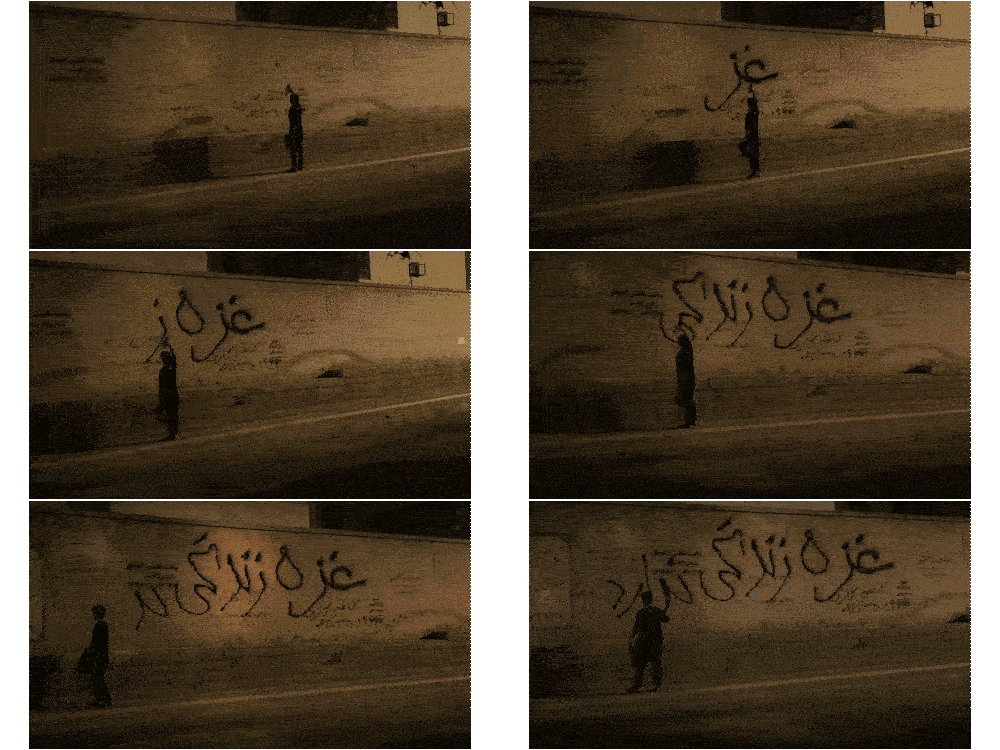
Translation: “Gaza has no life” — graffiti in Iran by the independent Iranian artist Shahrivar. The piece was erased and painted over in white the next morning.
 COLLAPSE.SYSTEMS