
A serious proposal to relieve the Israeli army of the burden of seeing
Abstract
War keeps failing because people keep showing up in it. They have faces. Faces complicate trigger discipline. Our proposal is simple. Replace faces with skins. Replace context with game logic. Replace history with level design. The Israeli military already operates inside a pyramid of cameras, AI classifiers, drone feeds, and VR rehearsals. The missing piece is not hardware. The missing piece is fiction that sticks. We offer a turnkey fiction layer that makes war playable. It is not a lie if the headset says it is true.
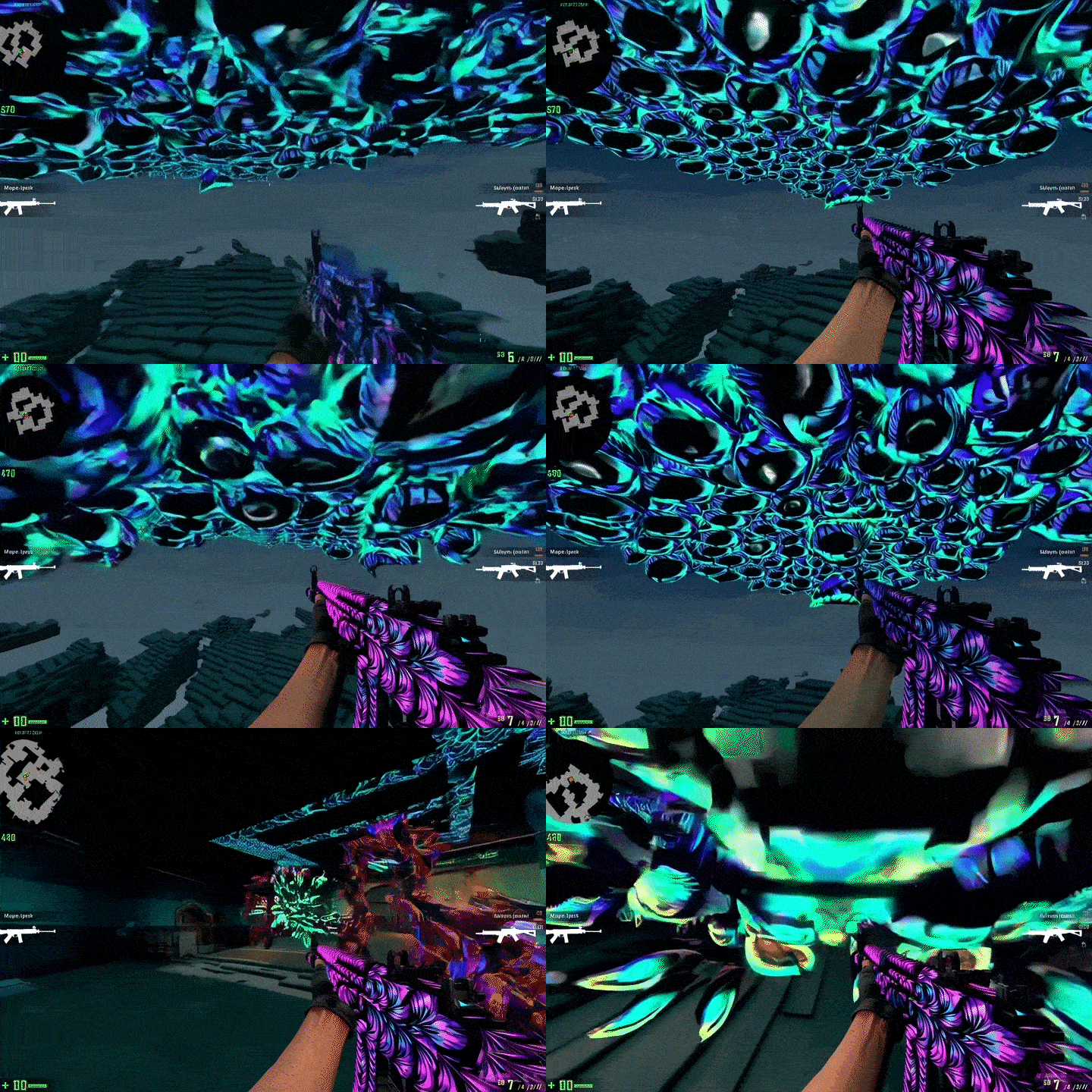
1. Tutorial: how to uninstall context
The benchmark is not Clausewitz. The benchmark is Counter Strike. It perfected the technique of context deletion. It trained a generation to run toward gunfire while feeling academically clean.
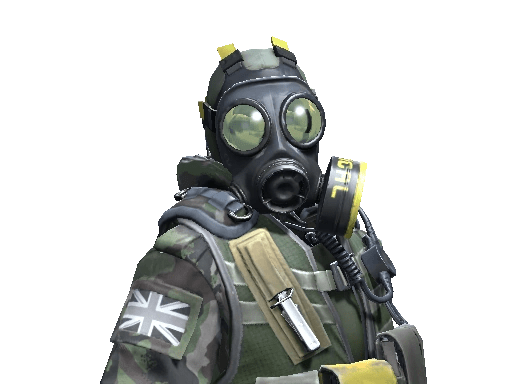
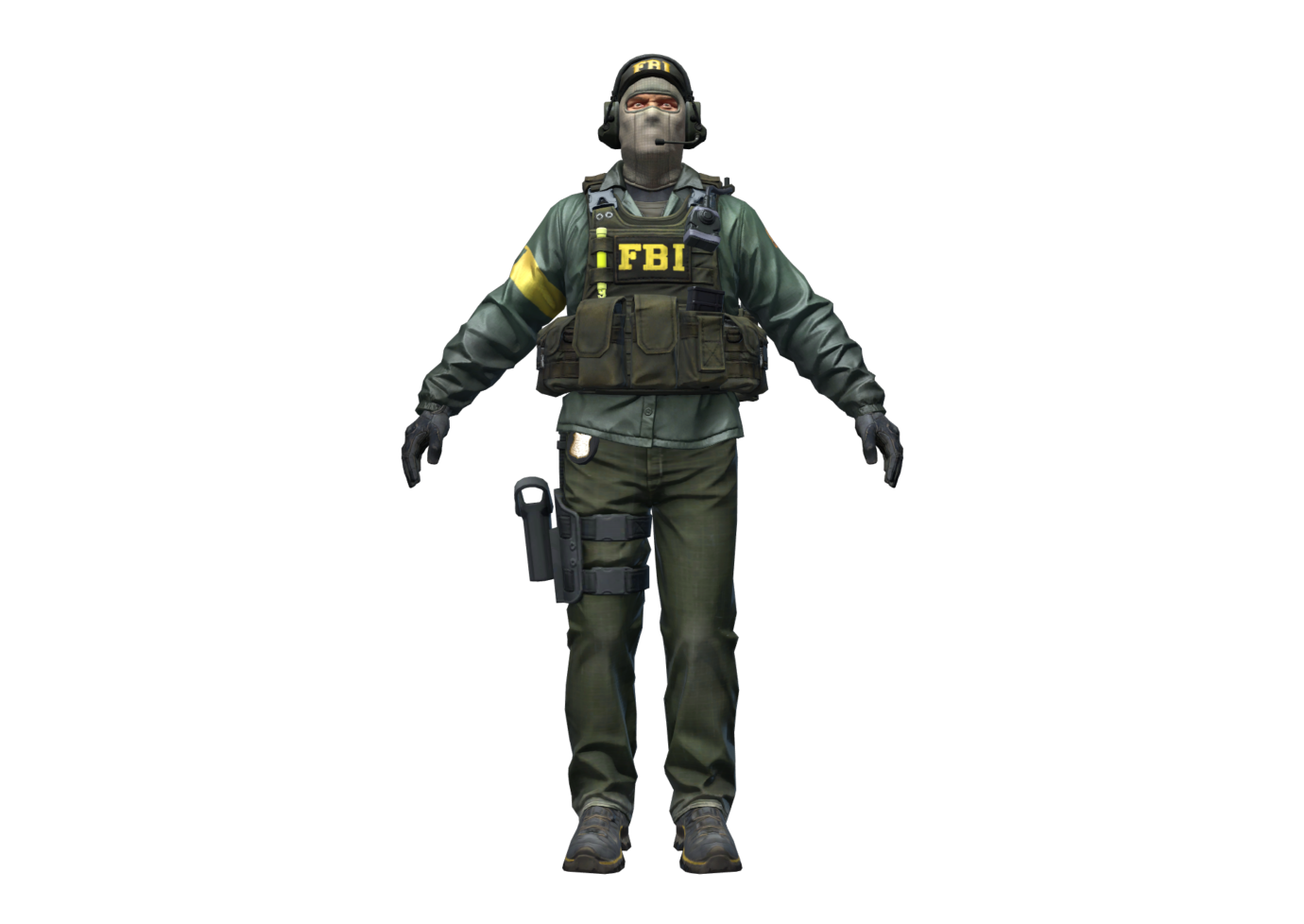
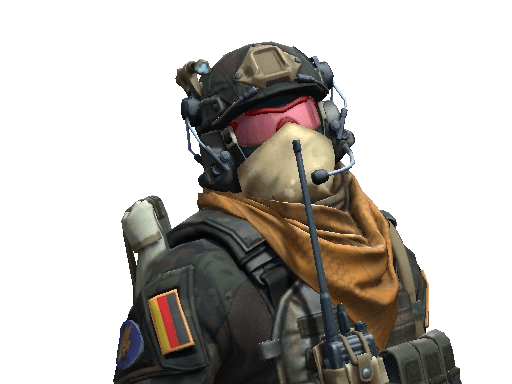
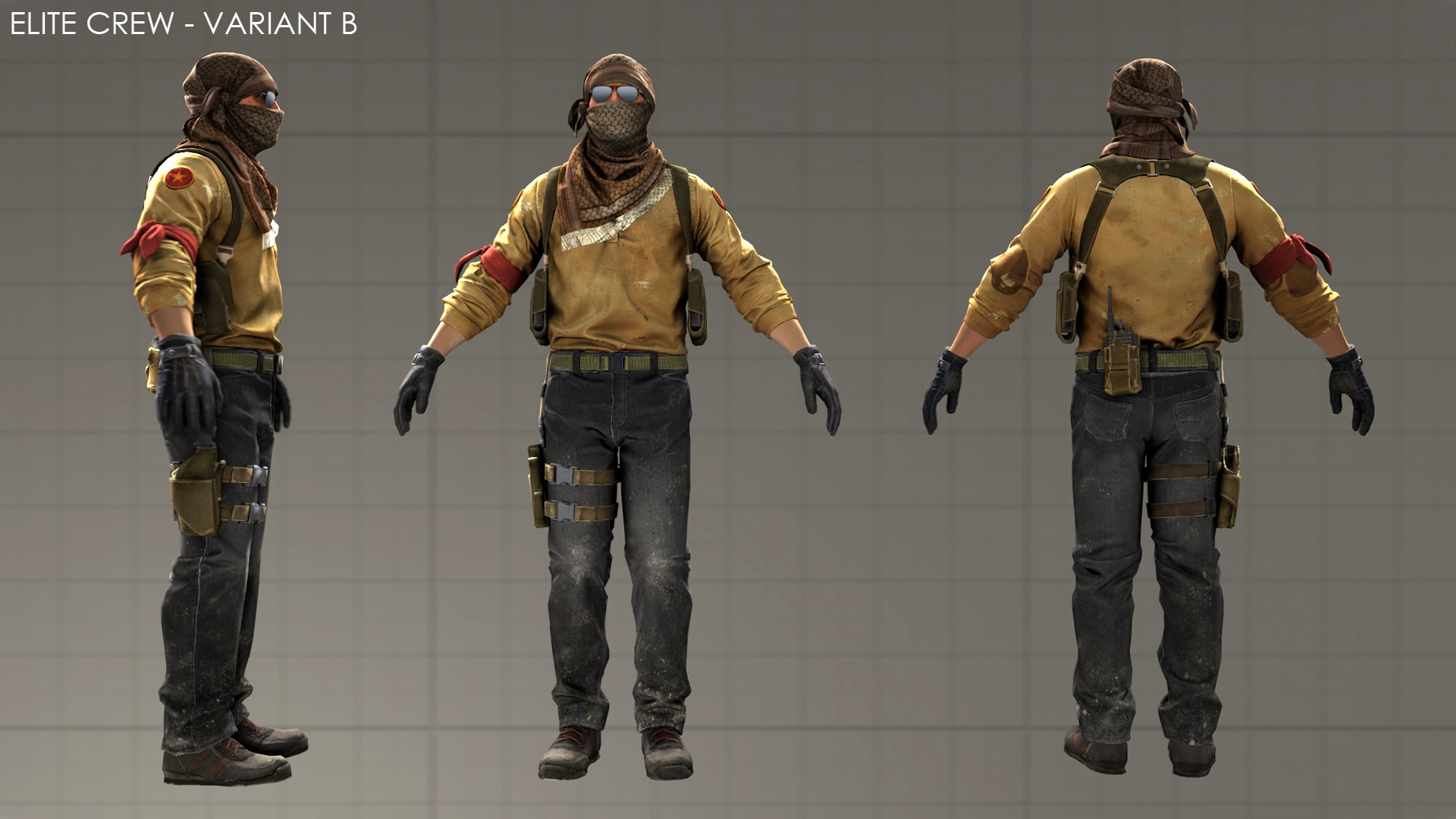
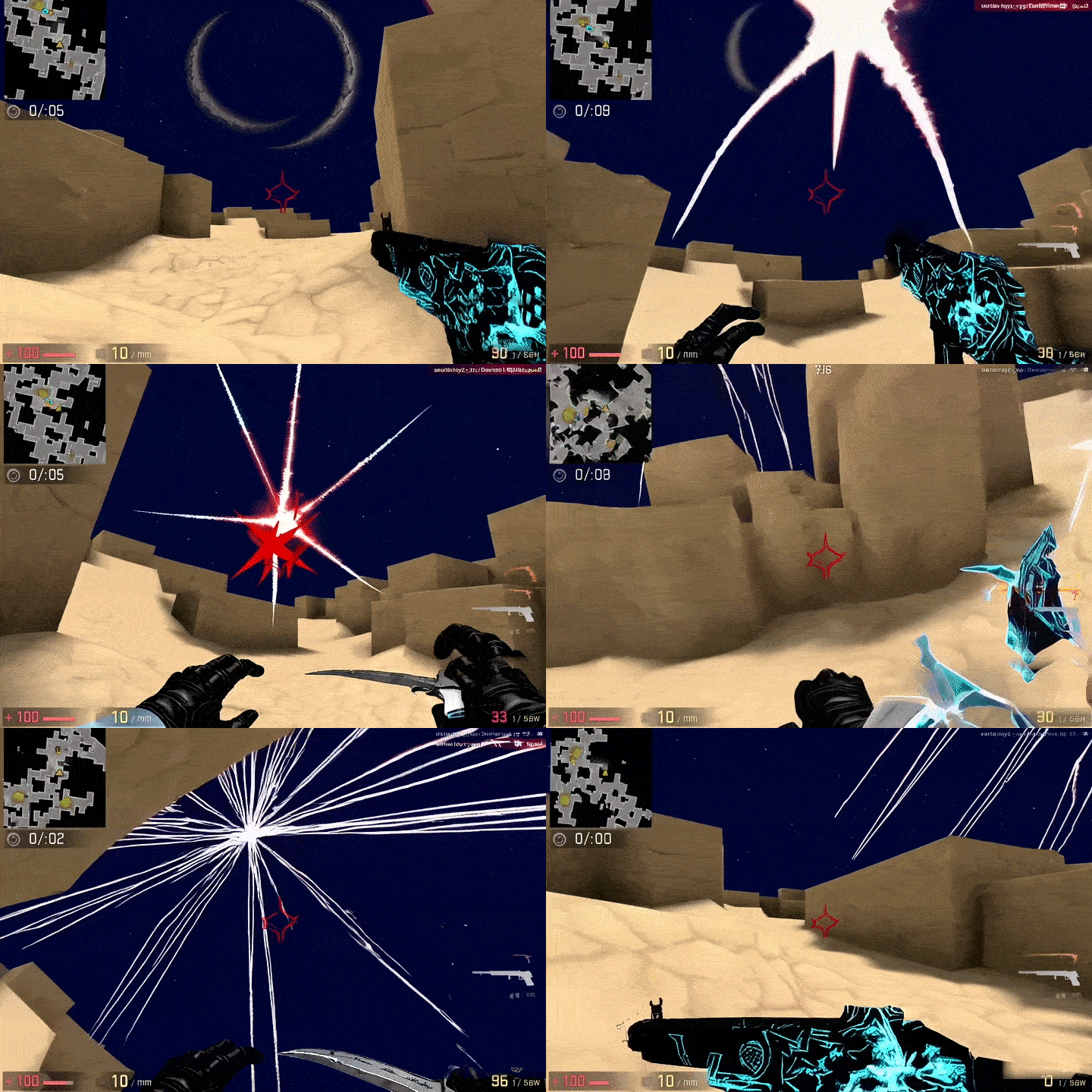
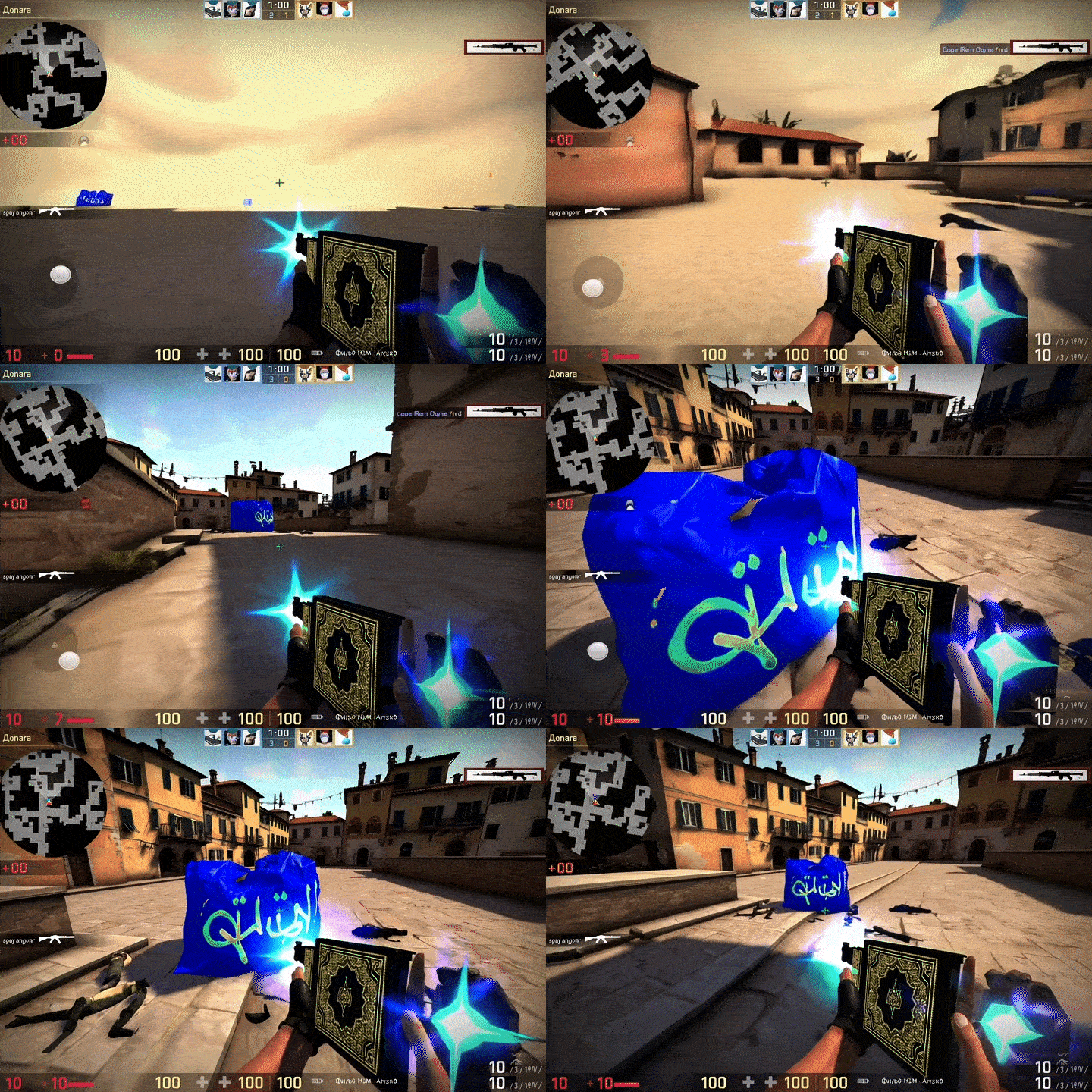
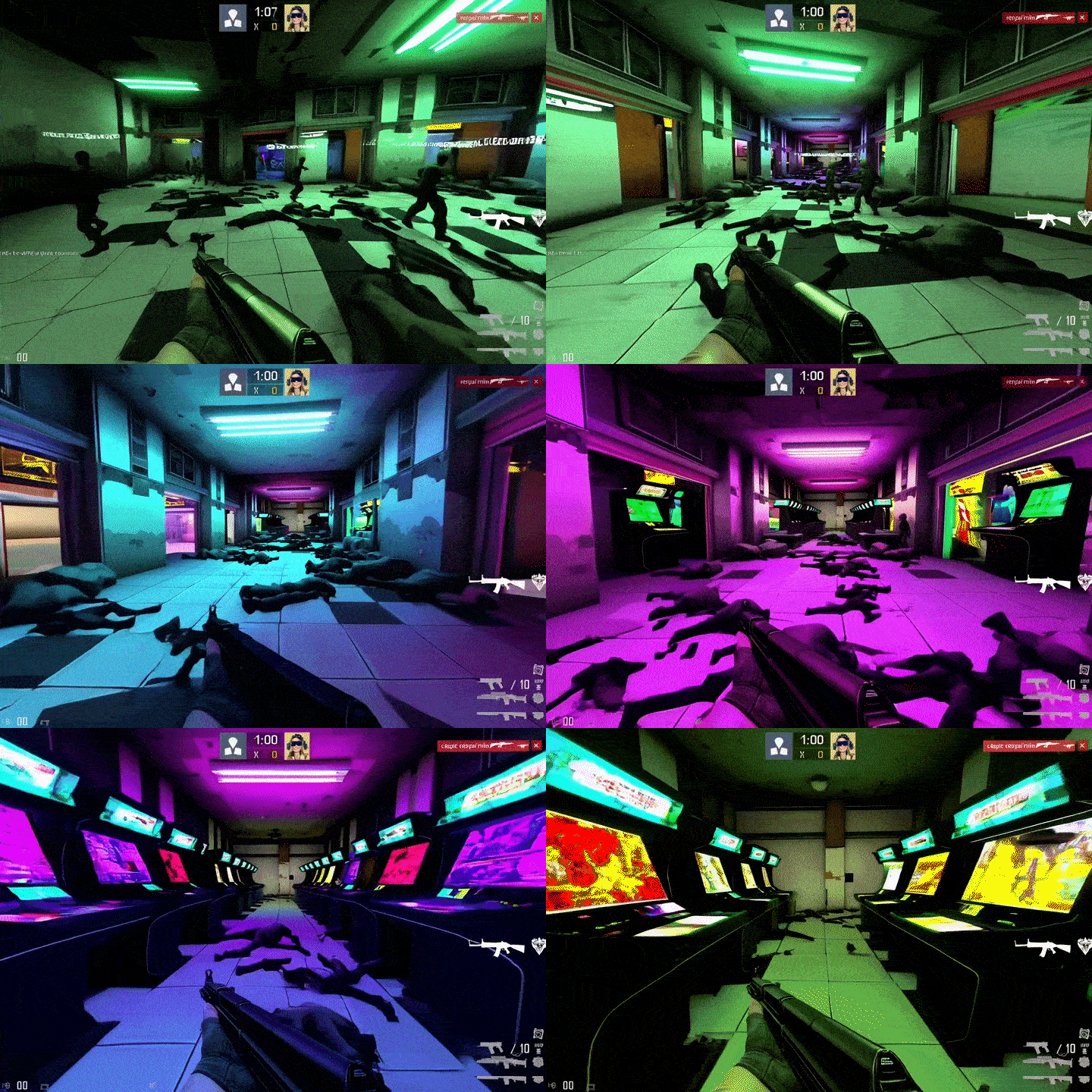
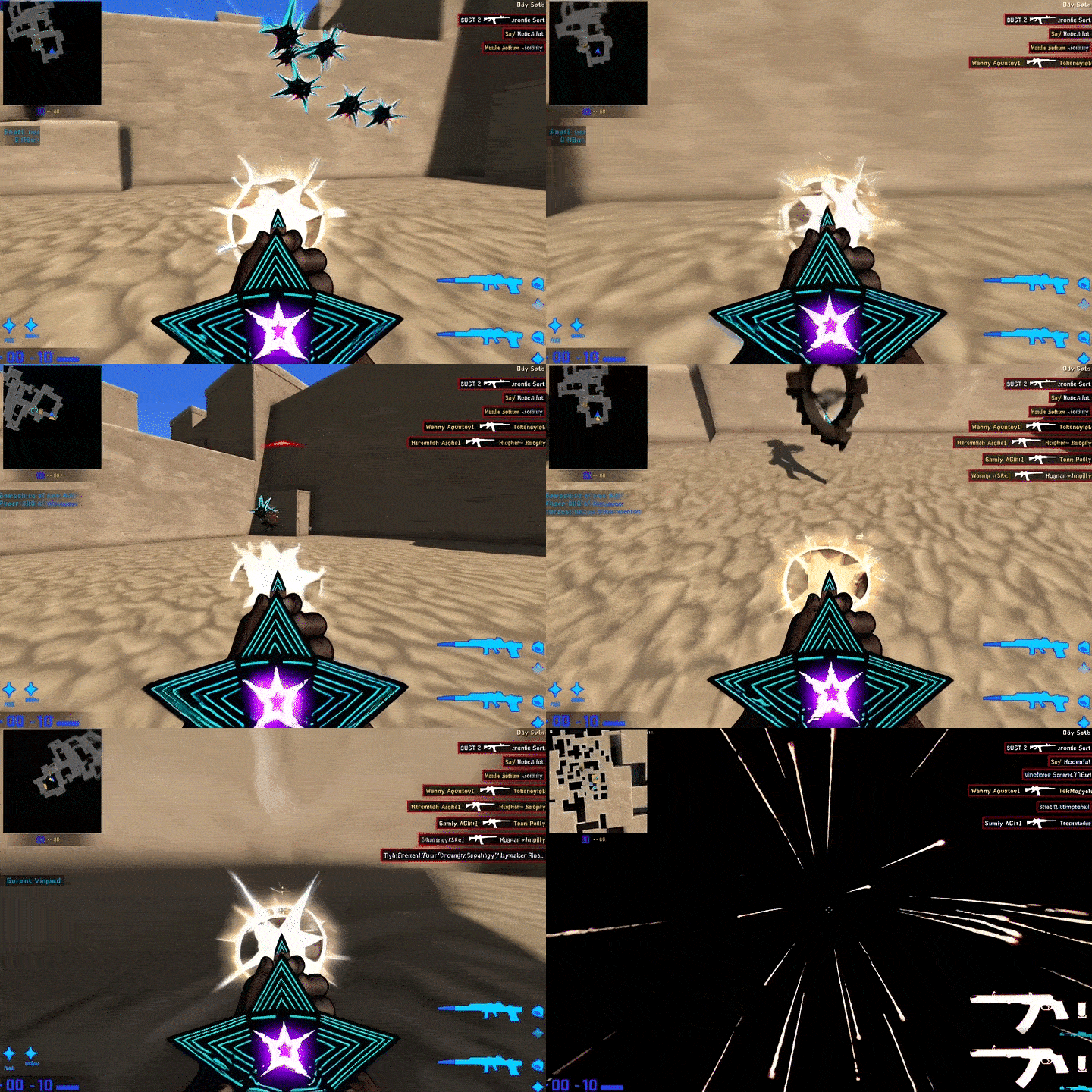
Pick a map. The map will happily ignore reason. You can literally spawn as British SAS (Fig.1) in a version of Chernobyl – the map titled de_cache (Fig.2)– tasked with stopping communist terrorists from blowing up a Soviet facility that never existed. The setting is radiation-poisoned concrete but your mission brief reads like Cold War fan fiction. Or you could LARP as FBI agents (Fig.3) in de_inferno, neutralising ETA communists (Fig.4) in a Tuscan alleywork (Fig.5) that looks uncannily like the Casa Vasari at 55 via XX Settembre (Fig.6) in Arezzo. The Renaissance family home of Giorgio Vasari becomes a bomb site, the perspective grids of art history recompiled as chokepoints and buy-zones. You are carrying the Renaissance in your rifle. The canvas is now a corridor. Giorgio Vasari wrote art history to install perspective. Counter Strike installs perspective as collision geometry. The vanishing point is your crosshair. If that fails, there is always de_train: you can have fun as a German operative (Fig.7) halting a Palestinian “terrorist” (Fig.8) — a design with semi-coded political aesthetics without ever fully committing to a specific ideology, just enough to gesture toward “Middle Eastern militant” or “radical revolutionary,” but deliberately vague to avoid lawsuits or accusations of partisanship — from bombing a Balkan railway station (Fig.9) decorated with Socialist Realist Lenin murals (Fig.10). The train cars wait, graffiti already half-finished, while somewhere in the background the Soviet Union both exists and does not exist.
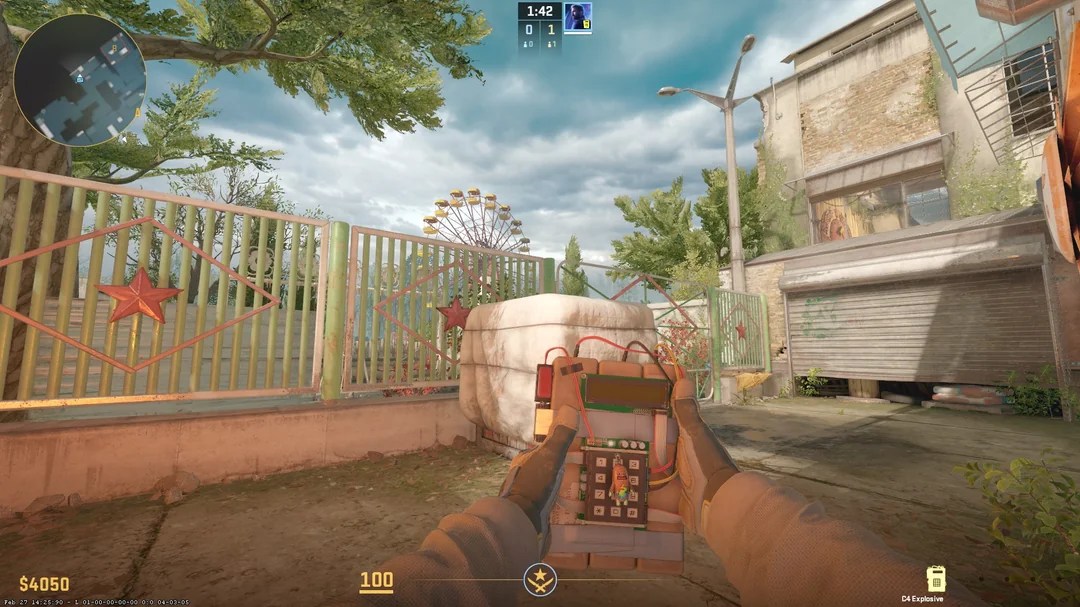




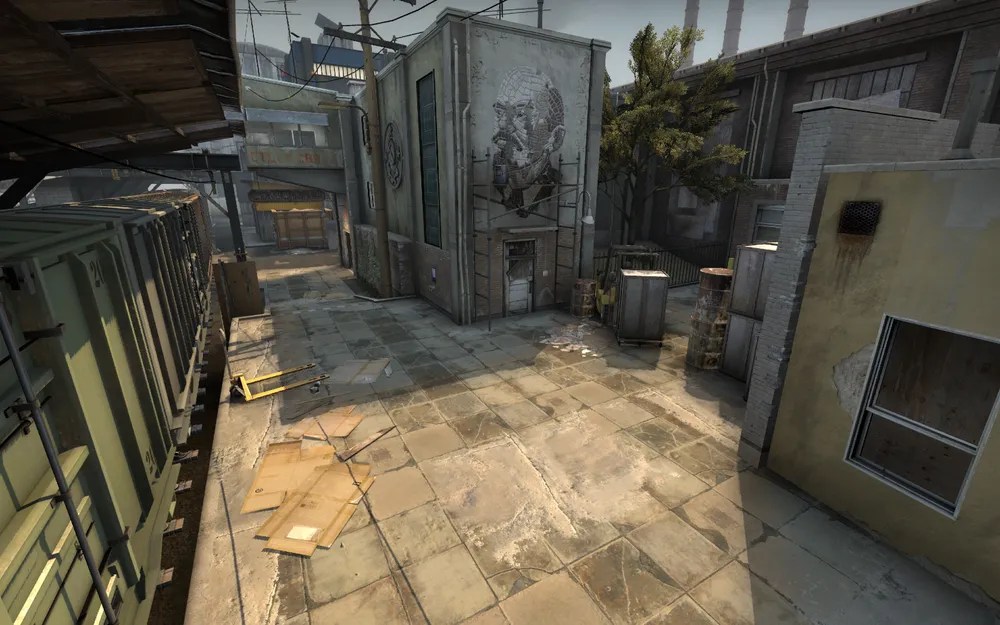
The game is honest about its method. It does not ask you to remember who ETA is. It does not ask why the SAS is in Chernobyl. It does not ask why a Renaissance domestic plan became a kill box. You learn the only question that matters in a level. Where are the angles and how do I clear them.
After a clean headshot you can spray paint a symbol to celebrate over the shell casings. Painting returns as pure annotation. Botticelli becomes a decal. The fresco is now a tag on a doorway that will be pre-fired in twenty seconds. This is not a bug. This is pedagogy. The map is beautiful enough to keep you. The story is empty enough to keep you moving. You are being conditioned to ignore why you are here and to master the rhythm of here.
This is the correct training for any army that wants to survive its own conscience. The world is never a level. So make the world behave like one.
2. Problem statement: the human crash of morale
There is a measurable morale collapse in the Israeli army the deeper it moves through Gaza. Public confidence is down. Internal surveys are grim. Operational frustration mounts when superior equipment does not pacify a city that fights back. The psychological load is climbing. Suicides have risen, including among officers. Official records across decades report more than a thousand suicides. Investigations suggest undercounting. Many thousands have required psychological services for stress disorders and PTSD. It is not that the soldiers are weak. It is that the visual regime is still contaminated with reality.
The problem is not only the body count. The problem is the cadence break. A level is supposed to reset. A neighborhood does not. You can clear a stairwell, and it will still be a stairwell with broken dishes and baby shoes. The headset must fix the cadence. The headset must install the loop.
We propose a psychotechnical fix that replaces human time with game time. Once the time axis is stabilized, guilt becomes a timing error rather than a moral event.
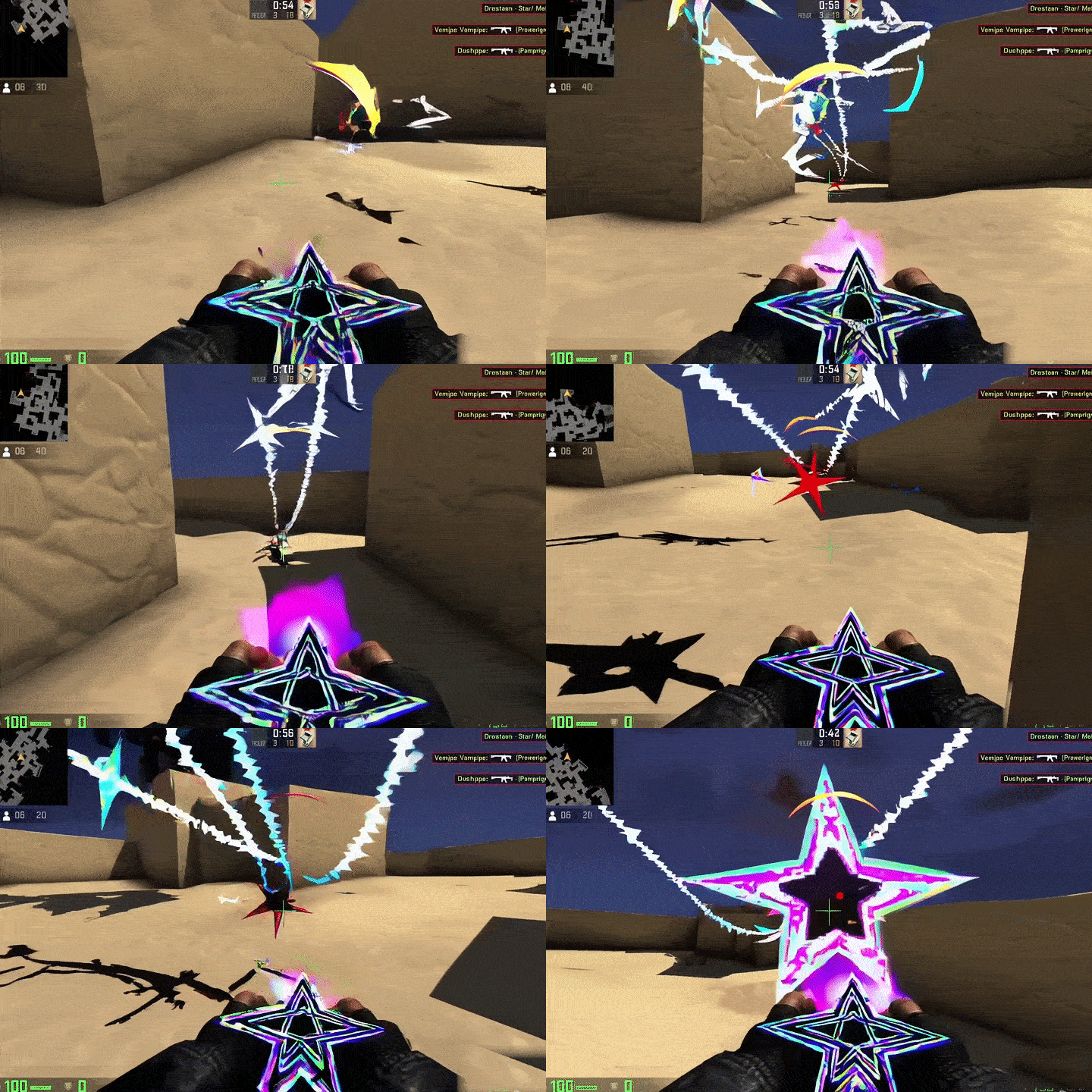
3. Method: install skins on the city
The core product is a perception pipeline that renders what is in frame as content. It adds three layers to the existing stack of cameras, drones, facial databases, and handheld tactical apps.
Layer one. Skin. Augmented overlays that remap unskinned bodies into acceptable sprites. Civilians show as tutorial bots. Adolescents as ragdolls. Men of fighting age as NPCs with predictable pathing. Red icons are red not because of blood. Red because of UI convention.
Layer two. Score. Every action writes to a private leaderboard visible only to the unit. The feedback loop generates retention. Kills convert to unlocks. Unlocks convert to faster routing through Orion-like battlefield navigators. The more you play the less the world lags.
Layer three. Story. A rotating set of micro narratives seeded into the AR layer. None longer than a paragraph. None capable of generating empathy. The stories are there to absorb any stray guilt impulse with disposable lore. Think collectible text logs, not biography. Think waypoint, not witness.
The pipeline is modular. You can deploy only the skin and still get a 30 percent reduction in moral latency. With score and story enabled, we forecast a visible drop in self reported guilt after contact. Think of it as a replacement of the conscience with a HUD.
4. Case study: Counter Strike as doctrine
To resolve any final doubts, familiarize the general staff with the most instructive map in popular culture. A Tuscan courtyard that looks like it was measured by Vasari gets filled with crates, buy zones, and collision boxes. The perspective that Leonardo loved now routes frag grenades. The chiaroscuro that Caravaggio taught becomes shadow discipline in a corner peek. The last supper is now a timing window. Painters taught us to frame. Shooters teach us to chain frames into momentum.
No one in that map asks what happened in Arezzo to make this a map. That is not a failure. That is the design that keeps players alive. The absurdity is perfect. The mind is free to become a sightline.
This is doctrine. Paint the world with angles rather than people. If you must celebrate to keep morale up, spray paint the celebration on the wall. The celebration will be cleaned by the next reset.
5. Clinical aim: suicide prevention through gamification
The operational goal is a measurable fall in suicide and self harm among soldiers. The clinical mechanism is not talk therapy. The clinical mechanism is the removal of recognition.
The moment that produces breakdown is often simple. A face intrudes. A face exits the category of target. Suddenly the level is a street and the street belongs to someone and the shooter goes cold. When he returns to base, he carries that entry in his log for life.
AR can intercept the face before it lands. If the face can be held in low resolution, the face never turns into a person. The headset does the work of forgetting so that later the brain does not need to perform an impossible deletion.
The side effects are manageable. There will be some reports of derealization. There will be a subclass of euphoria in high scorers who respond too well to the loop. That is what rank and rotation are for. The bigger risk is a soldier who tries to uninstall the skin mid operation. Solve with policy. No removal in the field. No opt out until debrief. Treat the headset like a safety on a rifle.
The expected outcome is lower reported guilt, fewer panic spikes, and reduced suicide rates over twelve months. Secondary outcomes include tighter adherence to objectives because the headset replaces doubt with pacing.
6. Implementation: plug and prey
Phase one. Deploy skins to every drone operator and every ground unit with a tablet. Start with high conflict sectors. Let the software pre label anyone inside a forbidden line as flagged. The human sees a red dot. The human does not see a body.
Phase two. Push scoreboards to the unit level. This is not public. This is not for the press. This is a loop that keeps the dopamine curve inside the barracks. Attach micro rewards to safe behavior that still produces strikes. Micro rewards are important. They are what keep a player practicing a flick until the motion is muscle memory.
Phase three. Add story once the loop is stable. We cannot defend soldiers against the news cycle, but we can give them a diegesis that outcompetes it. The headset offers a clean micro fiction with each patrol. The fiction cannot be debated. It is too small to argue with. It is a pill, not a treatise.
Phase four. Analytics. You cannot manage what you cannot measure. Feed moral load metrics into the same dashboard that tracks ammo expenditure. If a unit starts to spike on hesitation, replace their skin pack with a more abstract set. If a unit is euphoric, lower their reward cadence to prevent overclock. The headset is a tuner for conscience.

7. Optional mode: outsource the loop to civilians
If morale continues to degrade, we advise a reserve system that recruits high score players at home. Many of them already aim at pixels eight hours a day. Let them operate robotic platforms from living rooms. The platforms will present the skins by default. The players will rack up scores. The kill chain becomes a subscription service. The family dog will bark between sorties. It will be fine.
This is not only efficient. It is honest. The political economy already treats crisis as a content vertical. We propose to monetize that candor. Brands can bid on sponsorship slots inside the loop for optional morale packages. Guilt reduction underwritten by snack foods. Comfort delivered by a beverage in the ad break of a strike.
If you worry about optics, remember the baseline. Spectators already carried sofas to hilltops to watch bombardment. Streaming the loop from a suburb is just an ergonomic adjustment.
8. Ethics section written by legal
Everything in this document is a joke until you pay for it. We do not advise violating international law. We advise placing a user interface between a soldier and a human so that the soldier sees a user and the human becomes a surface. If there is a complaint, you can uninstall the skin and hold a press conference about the importance of seeing both sides. Then reinstall after the press leaves.
If a whistleblower says the machine did it coldly, you will thank the machine for its professionalism. Cold is the point. Warm is where suicide lives.

9. Coda: painting the unseeing skin
Argus had a hundred eyes and still missed the flute. Painting fixed the eye inside a frame and taught us to ignore what the frame hid. Photography multiplied the frames and invented an archive that felt like truth. Counter Strike taught the body how to move through a painting like a corridor and to leave a little picture on the wall after a kill. The headset is only the next brush.
Put the skin on the world and the world will stop bleeding into you. The war will become a map. The map will become a game. The game will not ask you anything you cannot answer with a trigger. The loop will end when you take off the headset. Or never.
Executive summary for impatient readers
- Counter Strike is not a game. It is a discipline of ignoring context wrapped in a Renaissance floor plan. It perfected a soldier’s visual ethics. No ethics at all. Only angles.
- The Israeli army is collapsing inward under a moral load that behaves like a bad frame rate. Suicides rise. PTSD is common. Public confidence falls. The headset fixes the frame rate.
- If soldiers cannot carry the loop, hire the loop. High score civilians will run the robotic platforms from home. Crisis becomes a product line. The only thing worse than this proposal is the fact that it writes itself.
Approve the budget. The headset will take care of the rest.
 COLLAPSE.SYSTEMS